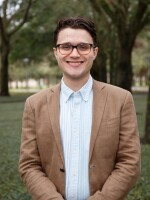
Florida Democratic Party Chair Nikki Fried said state Republicans are "absolutely" going to lose their legislative supermajorities.
"We are going to surprise the nation," she said, pointing out that six seats separate Democrats from breaking the Republican supermajority in the state House and two seats in the Senate.
Republicans in recent years have narrowly held two-thirds of both the Florida Senate and House, giving them enormous control over passing laws and some procedural rules without Democratic input.
"It gives our legislators an opportunity to change rules, hold the Republicans accountable," Fried said.
Those rules include waiving the requirement that bills be read on three separate days, which Republicans have frequently used to speed legislation to a final vote.
Fried also points out how Republicans' large numbers have allowed them to pass public records exemptions and put proposed constitutional amendments on the ballot, too, though they require a lesser three-fifths vote.
And if former congressman David Jolly, the Democratic nominee for governor, beats Republican nominee U.S. Rep. Byron Donalds, Republicans would need two-thirds of House members to impeach him and two-thirds of senators present to convict him, should they have any reason to do so.
Breaking supermajorities could force Republicans to get Democratic support to reach those thresholds — and to reach the two-thirds mark to override the governor's veto.
ALSO READ: How does impeachment work?
Republican Party of Florida Chair Evan Power has expressed confidence about Republicans' electoral prospects but didn't respond to interview requests over the last several days.
Of all the things happening this one is not happening the most.
— Evan Power (@EvanPower) September 25, 2026
The @FloridaGOP turnout operation is the best in the Country. Failed squishy Republicans always see doom https://t.co/f7Yb1ktjLt
If you have any questions about state government or the legislative process, you can ask the Your Florida team by clicking here.
This story was produced by WUSF as part of a statewide journalism initiative funded by the Corporation for Public Broadcasting.